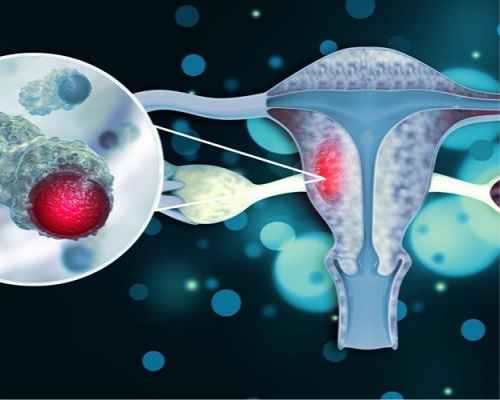
Cervical Cancer
Cervical cancer originates in the cells of the cervix, the lower part of the uterus that connects to the vagina. It typically develops slowly, starting as precancerous changes known as cervical dysplasia before progressing to cancer. The two main types are squamous cell carcinoma (most common) and adenocarcinoma. Early stages of cervical cancer often show no symptoms, but advanced stages may cause abnormal vaginal bleeding, pelvic pain, or discomfort during intercourse.
The primary cause of cervical cancer is persistent infection with high-risk types of the human papillomavirus (HPV), a sexually transmitted virus. Regular Pap smear tests and HPV vaccinations have significantly reduced the incidence of cervical cancer by detecting precancerous changes early. Treatment depends on the stage and may include surgery, radiation, and chemotherapy. Early diagnosis greatly improves the chances of successful treatment.
Risk Factors for Cervical Cancer
HPV Infection: Infection with high-risk HPV types, particularly HPV-16 and HPV-18.
Early Sexual Activity: Increases the likelihood of HPV exposure.
Multiple Sexual Partners: Higher risk of contracting HPV.
Smoking: Weakens the immune system and damages cervical cells.
Weakened Immunity: Conditions like HIV or medications that suppress immunity.
Long-term Oral Contraceptive Use: Slightly elevates risk.
Family History: A genetic predisposition to cervical cancer.
Lack of Screening: Missing regular Pap smears delays detection.